Same job, same pay laws begin to reshape Australia’s labour hire market
Australia’s same job, same pay legislation is beginning to materially alter pay outcomes and hiring decisions across key industries, particularly mining and logistics.

Australia’s same job, same pay legislation is beginning to materially alter pay outcomes and hiring decisions across key industries, particularly mining and logistics. Enacted in late 2024, the reforms require labour hire workers to receive the same pay as directly employed staff performing equivalent roles, closing long standing gaps between contractors and in house employees. Government figures show more than 7,600 labour hire workers have already received pay increases since the laws took effect. Distribution centres and logistics hubs have emerged as major beneficiaries, with warehouse and supply chain workers securing an estimated $12 million in additional pay. In mining, the impact has been even larger, with pay rises totalling around $150 million across 28 sites as labour hire arrangements were reset.
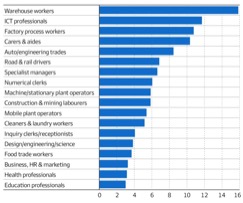
Figure 2 highlights why these effects are concentrated in particular roles. Labour hire employment is most prevalent in warehousing and auto and engineering trades, all occupations where contracting has been heavily used to manage costs and flexibility. The prominence of warehouse workers at the top of the chart aligns closely with early legal outcomes, explaining why logistics has seen some of the largest aggregate pay gains.
The legislation’s reach may soon extend further. A legal challenge brought by an Australian Taxation Office call centre worker argues that outsourced staff perform the same duties as public servants but receive substantially lower pay. If successful, the case could open the door to significant pay increases across outsourced public sector roles, with union support framing the issue as both fairness and service quality.
Beyond individual cases, the reforms are influencing employer behaviour. By reducing the cost advantage of labour hire, the laws encourage firms to rely more on direct employment, potentially reshaping workforce structures over time. While businesses warn of reduced flexibility and higher costs, supporters argue the changes promote more stable employment and fairer wage outcomes. As legal actions broaden, same job, same pay is shifting from a narrow industrial reform into a wider test of how Australia balances labour flexibility with pay equity.
Like what you’re reading?
Contact us for more information, insights, or to share your thoughts regarding this article.