Australia’s construction labour shortage runs deeper than supply and demand
Australia’s construction workforce shortfall is often framed as a simple numbers problem, but the deeper challenge lies in the apprenticeship system that feeds the industry.
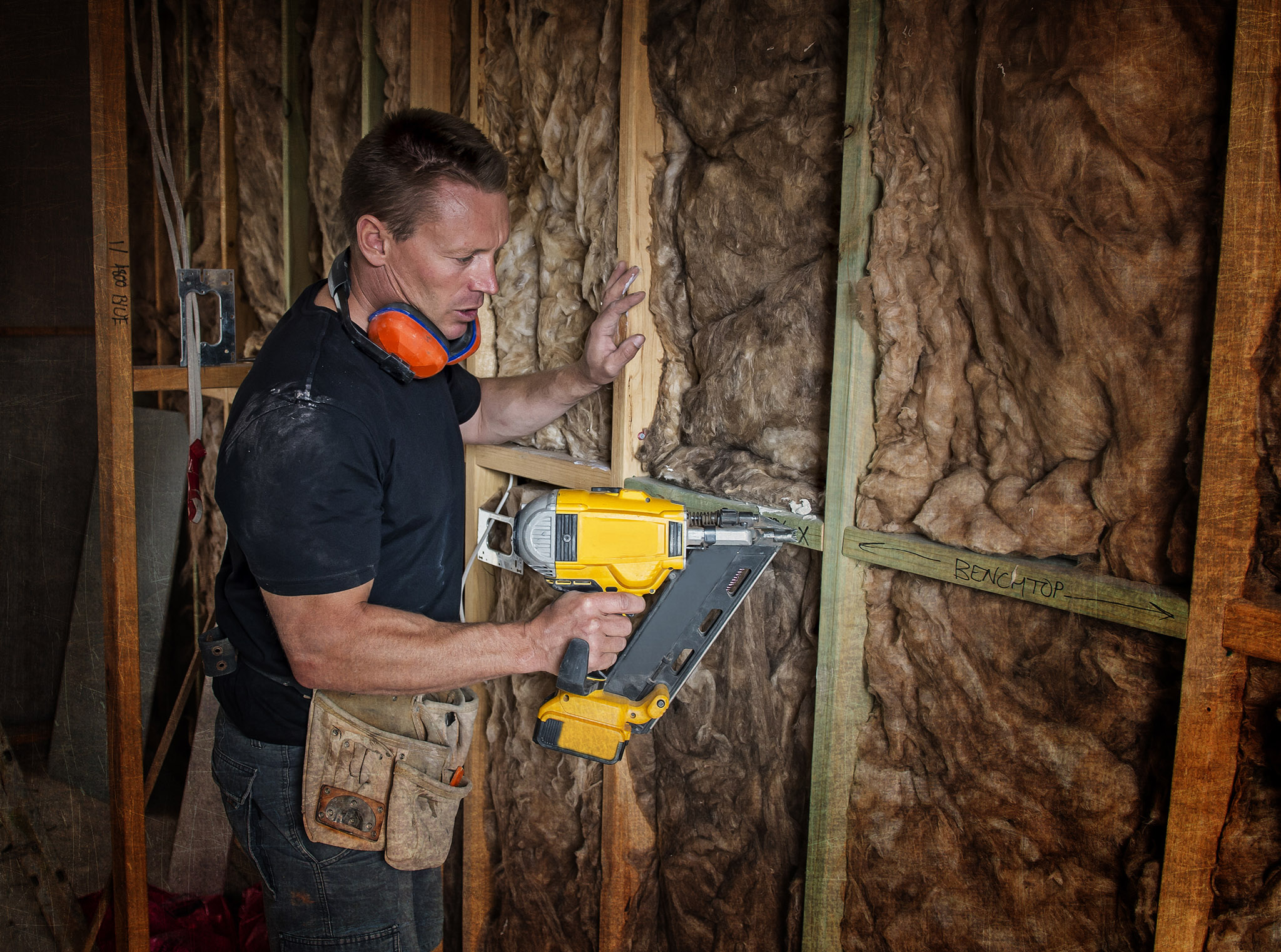
Despite record demand for builders and trades, apprentice recruitment and retention have deteriorated sharply in recent years, undermining the sector's ability to expand capacity when it is most needed.
On paper, the construction trades are compelling prospects: vacancies are widespread, the earnings potential is high, and many roles are relatively insulated from automation and AI. In practice, these incentives have failed to translate into a growing pipeline of skilled workers. Over the three years since March 2022, the number of apprenticeship commencements fell by 41%, while cancellations and withdrawals fell by only 18%. The widening gap suggests it's becoming increasingly hard to retain the apprentices, not just that fewer are signing up in the first place.
Currently, builders bear significant upfront costs in training apprentices, and as completion rates fall, firms are less willing to take on apprentices at all. Poor working conditions sit at the centre of the problem, with many apprentices reporting pay that sits below minimum wage when unpaid overtime and tool costs are considered, alongside inconsistent training quality and limited supervision in high pressure worksites. These environments are often ill-suited to younger or inexperienced workers, increasing dropout risk during the early stages of training.
The macroeconomic consequences are already visible. Australia built around 174,000 new homes last financial year, falling 27% short of its national target of 240,000. While federal incentives have been expanded, unresolved cultural and structural issues within the apprenticeship system threaten to limit how quickly construction employment can respond.
Like what you’re reading?
Contact us for more information, insights, or to share your thoughts regarding this article.